


Keeping your puppy in tip top health
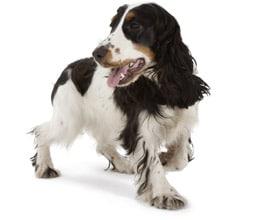
You're the best person to keep your puppy bouncing with health and vitality. Not only are you responsible for their day-to-day health care, you're also the person who knows them the best. This makes you the ideal 'eyes and ears' of your vet between visits. A puppy that is being sick or a puppy with diarrhoea may be obvious signs of an issue, but there’s more to having a healthy puppy than just looking for signs of illness.
Puppy mouth and dental care
Dental disease is common in dogs, so one of the best things you can do for your puppy is to get into the habit of regular teeth cleaning. You shouldn’t just use any toothpaste however, as human toothpastes contain ingredients that are not suitable for dogs and are not designed to be swallowed. Not only are dog toothpastes safer, but your puppy will much prefer the flavours (think meat rather than mint). If you notice your puppy has issues like bleeding gums or foul 'dog breath’, report these to your vet. You can also buy dog toothbrushes from your vet, as well as special toothpastes formulated for dogs.
Is your puppy chewing on everything in sight? Adolescent chewing is different to teething chewing, since it occurs once all the needle-like puppy teeth have fallen out. Adolescent dogs often have an uncontrollable urge to chew and there are different theories as to why. Whatever the cause, if you want to safeguard your slippers, it's a good idea to provide your puppy with things they’re meant to chew!
Puppy ear care
Every couple of days, gently look inside your puppy’s ears to make sure they’re healthy. The skin should be clean and not red or angry-looking. Your puppy's ears should be free of excess ear wax or discharge and should not have an unpleasant smell. Don’t put anything in your dog’s ears unless a vet tells you to.
Watch out for head shaking or scratching at the ears. If you suspect your puppy has any ear problems, such as a bacterial or fungal infection, inflammation, or ear mites, don't hesitate to visit your vet.
Signs of a healthy puppy
A healthy puppy has bright eyes, a shiny coat, and lots of energy.
Remember your puppy can't tell you if they’re poorly, so it's up to you to keep a close eye. Knowing what’s normal for your dog is essential for spotting early on if anything is wrong. Worrying signs include:
- A sudden loss of appetite.
- Sleeping more than usual.
- Changes in behaviour.
- Rapid weight loss or gain.
- Any unusual lumps or bumps.
- Vomiting or diarrhoea.
- Problems with your puppy's eyes or ears.
Trust your instincts and always call your vet if you're in any doubt.
Puppy stress
It may not be a physical condition, but seeing your puppy exhibiting signs of stress can be equally distressing.
It's normal for a puppy to cry and whimper the first few nights they’re in your home. Ask the breeder, before you get the puppy, if you can take a blanket or toy to leave with them. This way the puppy will have something that smells of you at the breeder’s, and vice versa when they come home.
Once you're past the initial stages, other factors can also stress your puppy. Separation anxiety is a common problem. Once again, love and reassurance are the best medicine. If the problem continues or seems severe, talk to your vet.
Prevention is better than cure
Your puppy should have started on a course of vaccinations before coming to you, and your breeder or adoption centre should have given you a vet's certificate to prove this. Keeping up your puppy's vaccination schedule is one of the most important things you can do to keep them healthy. A regular worming programme and flea control are also important so you should ask your vet for details.
And, of course, one mustn't forget the role of exercise and a healthy diet. It’s very important that puppies are fed food formulated for puppies, rather than adult dogs. This may sound obvious, but puppies have different nutritional needs than adult dogs in order to support their growth and brain, bone and muscle development. Large breed puppies have slightly different needs from small and medium ones. Ask your vet to recommend a balanced and complete puppy food suitable for your breed and size of puppy.
Reviewed by Dr. Emma Milne BVSc FRCVS

Related products
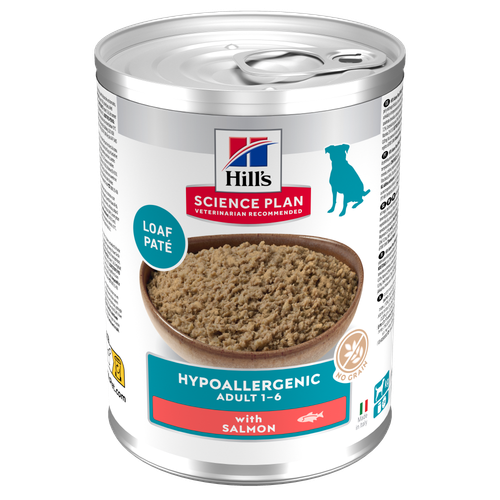
Hypoallergenic Adult Dog Food
Hill's Science Plan Hypoallergenic Adult Wet Dog Food with Salmon is a complete premium pet food for all adult dogs from 1 year. This savoury tinned loaf is specially formulated for dogs with delicate skin and stomachs. It features a single novel animal protein source and is grain-free.
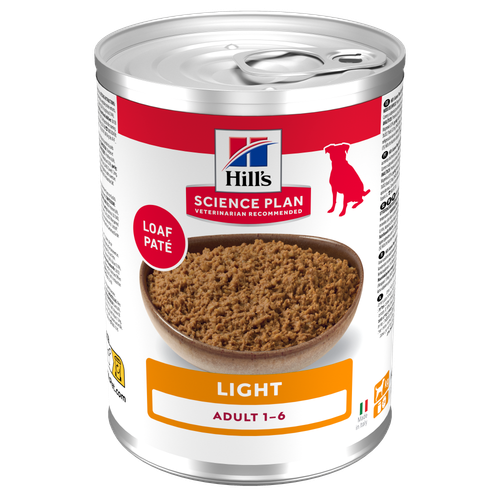
Adult Light Dog Food
Hill's Science Plan Light Adult Wet Dog Food is a complete premium pet food for adult dogs that tend to gain weight easily. This deliciously smooth loaf is formulated to deliver the appropriate amount of energy to support weight maintenance in adult dogs.
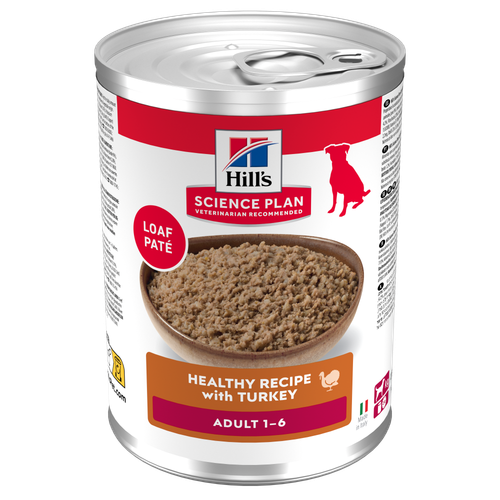
Adult Dog Food
Hill's Science Plan Adult Wet Dog Food with Turkey is a complete premium pet food for adult dogs from 1 year. This deliciously smooth minced turkey loaf is formulated to deliver the appropriate amount of energy to support the needs of adult dogs.
Puppy Food
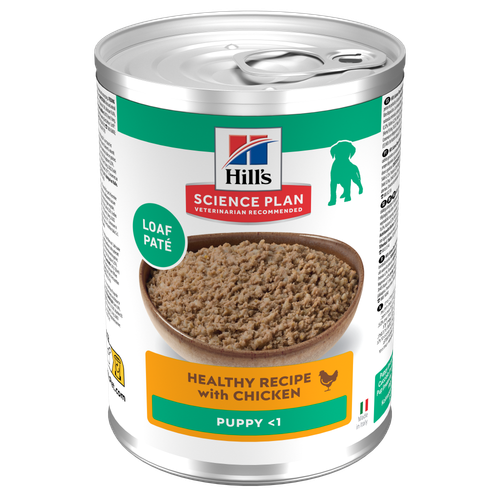
Hill's Science Plan Puppy Wet Dog Food with Chicken is a complete premium pet food for growing puppies from weaning until 1 year old and for pregnant and nursing dogs. This deliciously smooth minced chicken loaf is precisely balanced to deliver the appropriate amount of energy to support the needs of growing puppies.
Related articles

Vet's Advice About A Dog Diet
Just like every other pet owner, vets are responsible for giving their pets the best possible nutrition, exercise and care needed to keep them healthy and happy.
Title

Dog Itching a Lot? Here's What It Might Mean
Wondering why your dog is constantly itching? Read on to discover common causes, such as allergies or parasites, and find out how you can help your dog.

Kidney Disease in Dogs: Causes, Signs & Treatments
Discover the causes, signs, and treatments of kidney disease in dogs and find methods of supporting your dog's kidney health. Learn more at Hill's Pet UK.

Put your dog on a diet without them knowing
Our low calorie formula helps you control your dog's weight. It's packed with high-quality protein for building lean muscles, and made with purposeful ingredients for a flavourful, nutritious meal. Clinically proven antioxidants, Vitamin C+E, help promote a healthy immune system.
Put your dog on a diet without them knowing
Our low calorie formula helps you control your dog's weight. It's packed with high-quality protein for building lean muscles, and made with purposeful ingredients for a flavourful, nutritious meal. Clinically proven antioxidants, Vitamin C+E, help promote a healthy immune system.